Should the Youth be given the Vote? Historical Reasons Why Age is Arbitrary

I made a rather startling discovery. Those who suffer from dementia can still vote in the UK and Canada. “Really?” you may ask. “Really,” I reply.
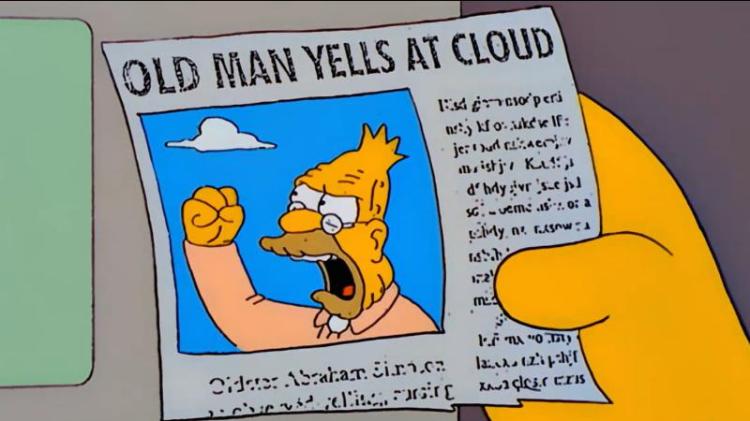
Man yells at cloud

Voting in an inalienable right in democratic nations. Once you gain the right to vote, it is extremely difficult to lose.

Criminals are some of the only disenfranchised groups. In Britain, a criminal’s right to vote is suspended while you serve your sentence. This is the same for Australia, except prisoners who serve less than three years can still vote. In Canada, criminals still retain the right to vote, regardless of the prison sentence. The United States has some of the most punitive measures against voting for criminals and because it varies drastically between states, I excluded the USA from this article. (Apologies to my American friends, but you can read more about the almost 6 million felons, or nearly 2.5% of voting Americans, who could not vote in the 2012 federal election here).

Voting is a pillar of equality among citizens and the act of voting is a benchmark in a person’s life.

What about the Youth Vote?

Historically speaking, the argument that youth aged 16 and above should get the right to vote is a very recent phenomenon. Before the Second World War, only people aged 21 years and older were given the right to vote in most major western democracies. In the 1970s, this age was lowered to 18 years of age in the UK, Canada, Germany, and France due to the fact that 18 years was the age of military conscription. However, some nations retain 20 or 21 years as the age of suffrage. Only since the 1990s have some nations successfully lowered the youth vote to include 16 year olds. Scotland is one of them.
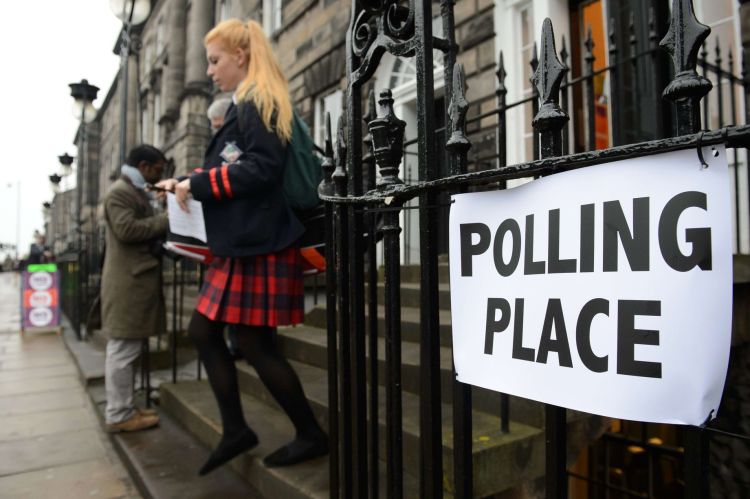
Youth Polling Place Scotland

Over 75% of Scottish youths voted in the 2014 Scottish Independence Referendum

After years of campaigning, the Scottish National Party were able to give youth the right to vote in the June 2014 Scottish Independence Referendum. Impressively, over 75% of those youths aged 16 and over (who registered) turned out, compared with 54% of 18- to 24-year-olds. This turnout was considered hugely successful and resulted in Westminster granting new electoral powers to the Scottish Parliament in December 2014. Now, all youths aged 16 and over can vote in both parliamentary and municipal elections in Scotland.

Nicola with Babies

Nicola Sturgeon and the SNP Party campaigned successfully for years to secure the youth vote (Photo from BBC Article)

For the rest of Britain, youth cannot vote in UK general elections until age 18. Although calculating the youth turn-out rates must not be accepted entirely at face value, in the recent general election one statistic claimed that 72% of all 18 to 24 year olds turned out to vote. This means that turn-out rates for young British voters were remarkably high.
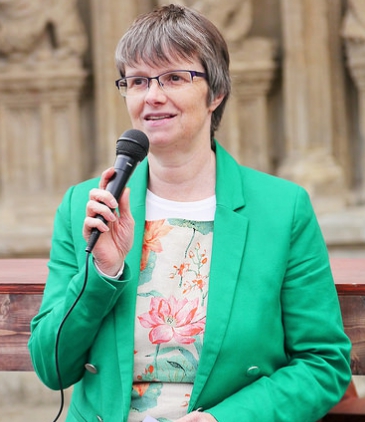
MollyMep

Molly Scott Cato said that denying the youth the right to vote because they aren’t responsible enough was “elitist rubbish” (Photo from BBC Article)

British politicians hotly debate the voting age. The Tories believe it should remain at 18, while Labour proposes lowering it to 16. The Liberal Democratics are somewhere in the middle, suggesting it should be only lowered for local elections. The Scottish National Party, who are very popular with Scottish youth, believe it should be lowered to 16 for general elections. My favourite, perhaps, was when the Green Party’s Mary Scott Cato said that arguments that claim 16 year olds aren’t responsible enough to vote is “elitist rubbish.”

Age is Arbitrary: “Childhood” is a Young Concept

Age as a marker is quite arbitrary, especially when you look at it historically.  In the wake of the Second World War, when over 15 million children were left homeless and resettlement was a huge crisis, the United Nations defined anyone under the age of 17 as a child. Today, childhood ends in the majority of sovereign states at age 18.
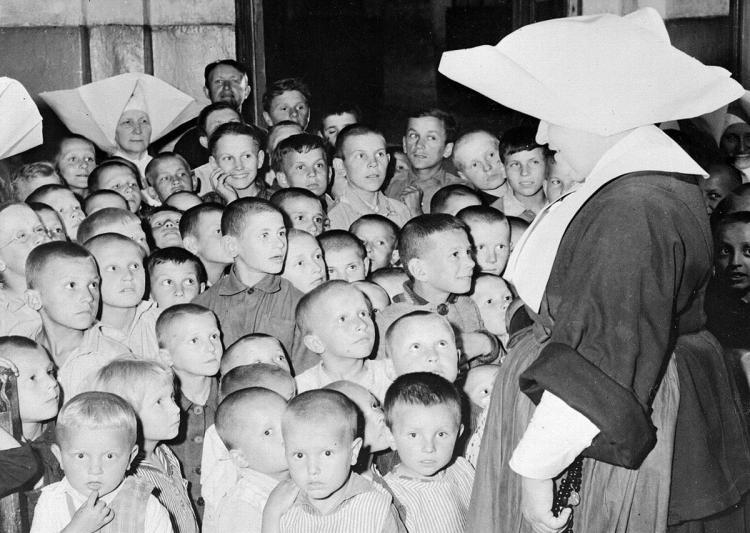
war orphans poland

These Polish war orphans at a Catholic Orphanage in Lublin, on September 11, 1946, are among the 15 million children displaced by the war. To expedite the settlement process, the UN defined all children under age 17 as a “child”

But childhood as a historical concept has only been closely examined in the last few decades. That is not to say that children or childhood were never discussed in historical sources. But, similar to race and gender, age was often overlooked, understudied or poorly represented within historical accounts.

In the 1970s, a revival of the historiography of childhood occurred as the result of the book “L’Enfant et la vie familiale soul l’Ancien Regime” (or “Centuries of Childhood,” 1962) by a French medievalist named Philippe Ariès. He argued that childhood was actually a recently-invented modern term, which evolved from the medieval period. Importantly, the concept of childhood was not static but underpinned heavily by the culture of the time. This revolutionized social history and led many scholars to investigate how Europeans transitioned from a pre-children-conscious world to one which had ‘invented’ childhood. (For an excellent overview, see Nicholas Stargardt, “German Childhoods: The Making of a Historiography,” German History, 16 (1998): 1-15).

With state intervention in education in the 19th century, and the subsequent child labour laws from the Industrial Revolution, children’s ages became both legally and economically relevant. How old must a child be to work? Can a child be charged with crime? Records of child delinquency are often the first historical accounts that children existed in certain cultural contexts. For example, historians are aware of the punishments of child delinquents in 19th C Irish workhouses, but we know little else about Irish children’s experiences in workhouses who were not delinquent.
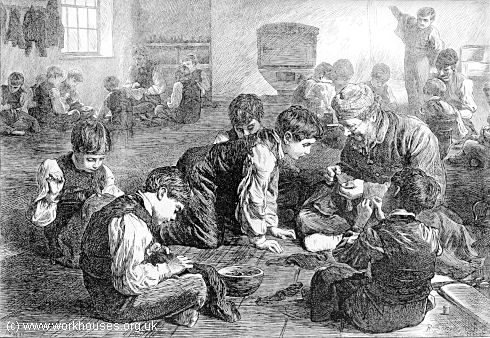
Irish Workhouse

Illustration of children in a 19th C workhouse courtesy of workhouses.org.uk

Even biological markers of age are debatable. In the USA, lawyers have used science to argue that grey matter is still being developed well into our 20s in the same area of our brains that regulate self control; this has led to numerous cases where juveniles charged with murder have had their prison sentences reduced.  The use of puberty as a reproductive “line in the sand” has also changed in the last few hundred years: the age of puberty today (10-12 years for girls, 12 for boys) is lower today than it was centuries ago (15-16 for girls). And unlike a few centuries ago, “Puberty today marks the transition from childhood to adolescence more than it does childhood to adulthood.” Meanwhile, in the animal kingdom, biologists define animals as adults upon sexual maturity. It seems that neither the historian or biologist can agree about childhood.

And, to make it even more complicated, children as individuals also vary greatly.  Children’s experiences and what they’re subjected to also vary greatly. When in doubt, think of Joan of Arc, Malala Yousafzai, or Anne Frank.
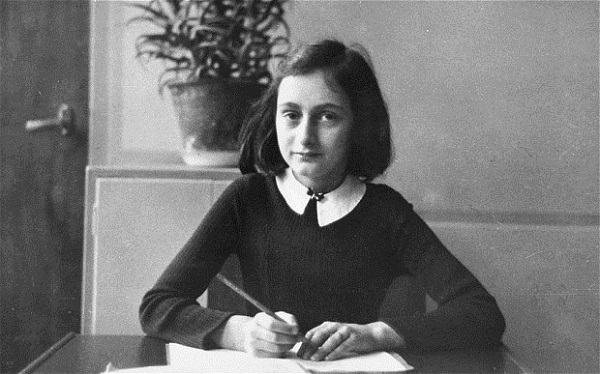
Anne Frank

Anne Frank was just 15 years old when she died in Bergen-Belsen Concentration Camp

So what does this have to do with voting?  

If our definitions and beliefs about childhood are culturally dependent, then the ages we assign it, or the assumptions we have about it, are a product of our culture, and not necessarily an authentic reflection of “childhood.” (If such a thing actually exists).

During the medieval era, children were considered “little adults” who needed to be civilized, which presumes that children are born with inborn rationality and intelligence, but lacking social graces. A medieval parent therefore viewed childhood as a rigorous lesson in civility.

Medieval Children

During the Medieval era, children were viewed as “little adults” and as as Bucks-Retinue points out, even their clothing was just “smaller versions of adult clothes.”

But today’s parent does not view it quite like that. Due to the legality of certain social freedoms – driving a car or drinking alcohol – the state has defined a child in contradictory ways. You can join the military at age 16 in the UK, but you’re not legally entitled to toast the Queen’s health until age 18.  The predictable argument is that if you can join the military, drive a car, leave school for full-time work, pay taxes, marry (and thus have the state’s endorsement to be a parent), then you should have the right to vote. I see no fault in this argument.

So why did I start this conversation by talking about people with dementia?

Dementia is an umbrella term for various progressive neurological disorders that includes memory loss, anxiety/depression, personality and mood changes, and problems communicating. We most often associate dementia with Alzheimer’s disease, which has no cure. 46 million people suffer from dementia world wide, which is expected to double every 20 years.

In Britain, 1 in 6 people over the age of 80 have dementia, or a total of 850,000.  But having dementia, similar to having learning difficulties or other mental health problems, does not preclude you from voting. According to the Electoral Commission’s Guidance:

“A lack of mental capacity is not a legal incapacity to vote: persons who meet the other registration qualifications are eligible for registration regardless of their mental capacity.”

If someone suffers from mental incapacity or physical disability, they may assign a close relative as a proxy to vote for them (These situations are generally meant to help those serving overseas, or temporarily inaccessible, so they can still exercise their democratic rights and, sometimes, must be approved by a health practitioner or social worker). If a proxy is authorised, the Electoral Commission makes is absolutely clear that no one – whether relative, doctor, nurse or lawyer – can decide how to cast that ballot. The choice alone lay with the voter. Period.

In Britain, you cannot vote if you reside in a mental institution due to criminal activity or if you are severely mentally incapacitated and cannot understand the voting procedure. Those with dementia are still legally entitled to vote because it is not considered legally incapacitating (especially in its early stages) and worthy of disenfranchisement. Usually it is not until a doctor is requested to authorise a proxy vote whereupon someone possibly becomes disenfranchised, depending on the doctor’s judgement.

In Canada, 1.5% of the Canadian population (around 480,000) have dementia, most of which experience this after the age of 75. The Canadian Human Rights Act makes it illegal to discriminate against persons based on age or (dis)ability.
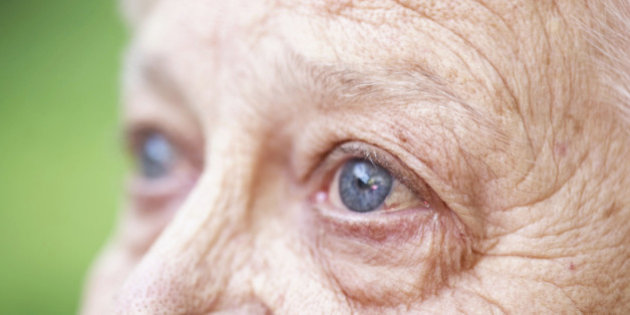
Dementia

Age is the number one risk factor for dementia.

Canada was one of four countries (Italy, Ireland and Sweden) which did not impose any mental capacity requirement (dementia included) upon the right to vote. After a legal challenge in 1992, the call for a minimum mental health requirement was repealed and by 2008, only Nunavut will disqualify someone from voting based upon mental incapacity. Thus, similar to Britain, Canadians with dementia also retain the right to vote.

What does this tell us about our society?

It is impressive that people suffering from dementia (often elderly) still retain this right. This demonstrates that nations like Britain and Canada strongly respect equality among citizens, irrespective of (dis)ability, mental (in)capacity, or age. And, importantly, this demonstrates that these nations honour the incontrovertible democratic rights of its aging and sick citizens. Discrimination is fundamentally not tolerated.

BUT to deny the youth vote while granting it to someone with a progressive neurological condition seems unfair. Should a 16-year-old “child” be considered less politically capable than someone with dementia?  Is that fair?

Youth Vote vs. “Elderly” Vote

In my frustration at this quandary, I read a provocative and humourous commentary calling for disenfranchising all elderly in Time Magazine. Joel Stein said simply “Old people aren’t good at voting”.  Although Stein avoided getting his hands dirty with dementia, he highlighted the “out of touch” policies endorsed by “old people”: They’re twice as likely to be against gay marriage, twice as likely to be pro-Brexit and nearly 50% more likely to say immigrants have a negative impact on society. Although funny, I am a staunch supporter of democracy and believe we should enfranchise people even if we disagree with them. That’s the point of democracy: to find consensus among disparate voices. Young, old, sick, healthy, rich, poor, all should be allowed to vote.
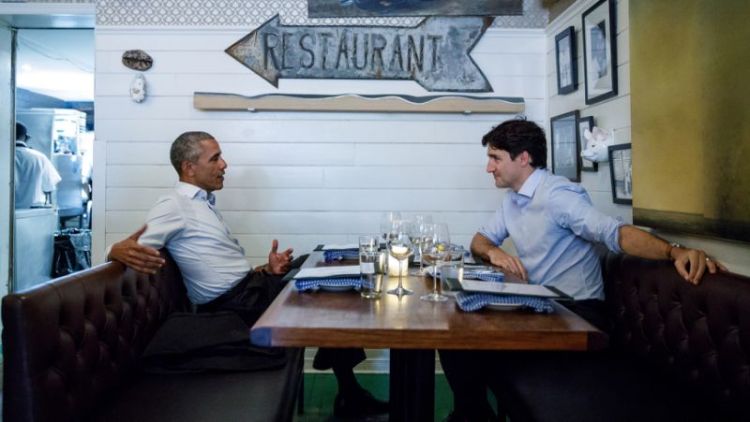
Trudeau Obama

In June 2017, Justin Trudeau and Barack Obama had an intimate dinner

Justin Trudeau and Barack Obama recently enjoyed their enviable bromance over a candlelit dinner in a little Montreal seafood restaurant. They spoke of a great many things, but one was “How do we get young leaders to take action in their communities?”

Such conversations among politicians reflect a growing interest to include the youth’s voice and agency within our political process and communities.  If what medievalist Philippe Ariès said is true – that our concept of childhood is culturally-dependent – then how our culture interprets our youth needs to change. Historically speaking, it appears that that change is already beginning. And although Scotland has taken remarkable strides towards giving political agency to Scottish youths, this can be taken even further.

By engaging youths in political process, supporting their agency and action in multiple national bodies and networks, and listening to their needs and incorporating their voices into politics, then our cultural assumptions will shift. In the same way as we honour our elders and our sick, let us honour our youths.

From a Land of Immigrants to a Land of Colonisers: A Lesson in Canadian Diversity for British Policymakers

This is a big year for Canada. After 150 years of explosively entertaining hockey, igloo-icy winters, and deliciously decadent Timbits, people around the world will celebrate Canada’s sesquicentennial. Happy birthday, Canada.

Canada Day.png

For those who have ever travelled, studied or lived abroad, you begin to appreciate your homeland in an entirely new way. As American philanthropist Cliff Borgen said “When overseas you learn more about your own country than you do the place you’re visiting.”  The novelty of other cultures is endearing and even helpfully distracting from the monotony of your normal life. But it’s when we are forced into new cultures when we are confronted with the reality that our own customs, traditions and protocols are sometimes arbitrary, bizarre and inefficient.

In this sense, travelling is not just gazing into the porthole of another new place, but actually a much more inverted and introspective experience. You begin to realise the ways you are fortunate, and the ways you are deprived. This even makes you think differently, apparently. According to one study, “People who have international experience or identify with more than one nationality are better problem solvers and display more creativity.” But, crucially, this depends on openness, an ability to embrace other people, cultures and ideas, which also means you’re happy to accept ambiguity and a lack of closure.

But what happens if you already hail from a country that values inclusivity, openness, diversity? How does that change your experience abroad?

As a Canadian, I think I am already “open” to others. It’s part of my “culture,” eh? Just under 40% of Canadians are immigrants or second-generation immigrants, and that is expected to rise to half the population by 2036. Canada is about as diverse a country as you can experience. A true land of immigrants. Canada is not a melting pot. Unlike the USA, newcomers to Canada are not expected to shed their cultural cloaks, assimilate and promptly adopt the “Canadian Dream.” Instead, Canada’s strength is its diversity. We embrace others.

best-diversity-employers

Happy Photo of Canadian Diversity from candiversity.com

It wasn’t always like that. In 1970, Prime Minister Pierre Trudeau faced a major domestic crisis due to rising French nationalism in Quebec. Separatists wanted quicker political process and to expedite their demands they kidnapped a cabinet minister and British diplomat, resulting in the FLQ or October Crisis. Trudeau enacted the War Measures Act and tanks rolled into Montreal. Martial law was controversial and when asked by a reporter how far he would take such policing, Trudeau famously replied: “Just watch me.”

PETrudeau Just Watch Me

Watch Pierre Trudeau’s steely reaction to reporters here

In the background of this domestic upheaval was the introduction in the late 1960s of a new points-based system for immigration. Applicants were awarded points for age, education, ability to speak English or French, and demand for that particular applicant’s job skills. If an applicant scored enough points, he or she was granted admission together with their spouse and dependent children.

These “landed immigrants” were given all the same rights as Canadian-born citizens. A new sponsorship system also meant that immigrants could also sponsor relatives abroad for settlement. This allowed naturalized Canadians to engage in the immigration process. And, importantly for Trudeau, immigrants were given the right to vote.

By opening the doors and flooding the country with immigrants, while espousing a strong multiculturalist ideology, Trudeau and his Liberals diluted the Anglophone vs Francophone tensions. The Liberals, predictably, courted the newly arrived voters and sought policies that would appeal to them. Politically speaking, it was superior “checkmate” move against the radical separatists. Decades later, the same maneuver was used again by Conservative PM Stephen Harper, who needed to win a coalition in order to stay in power. The newly arrived minority voters were wined and dined which, in turn, meant that anti-immigrant groups were kept on the edges of politics. In the 2011 and 2015 elections, the Conservatives won a higher share of the vote among immigrants than it did among native-born citizens.

If it wasn’t already clear from centuries of Canadian history, then such politics firmly cemented the immigrants’ place in Canada’s national identity.

Right-wing, anti-immigrant political agendas are rare in Canada. Of course, there are always exceptions. Canada still has anti-Semites and people shooting up mosques out of fear of “the other.” One study recently claimed that anti-immigration sentiment was rising in Canada, although the same study claimed that over half of Canadians still agree to allow immigrants from poor countries. (Sweden’s 75% approval for immigration is the highest of all nations studied).

But let’s also remember the difference between immigrants and refugees. In 1978, Canada instituted the Canadian Immigration Act, whereby refugees – persons fleeing armed conflict or persecution – would no longer be an exception to Canadian immigration regulations. Although there were some problems, it remains a cornerstone of Canadian immigration policy and law.

For example, the Syrian Refugee Crisis caused the United Nations High Commissioners for Refugees to call on western nations to resettle 130,000 refugees. Canada has carefully focused on selecting families, children and members of the LGBT community, while single men will be processed only if they are accompanied by their parents or identify as LGBT. From 2013 until January 2017, Canada has welcomed over 40,000 refugees, or a staggering 248% of its “share” of refugees.

The United Kingdom? It has welcomed 216 Syrian refugees under the UNHCR scheme. Through another domestic policy called the Vulnerable Person Resettlement Scheme, it has welcomed 5,423 Syrians by March 2017, or just 18% of its “share.”

Prime Minister David Cameron, under severe public pressure in 2015, promised to take on 20,000 Syrian refugees by 2020. Even more mounting pressure caused him to announce the Dubs Amendment, whereby 3,000 lone child refugees from the Middle East were to be welcomed. Due to pressure from Theresa May (who was then Home Secretary), Cameron conceded child refugees should come from Europe, not the Middle East, and the number was lowered to just 350 children.

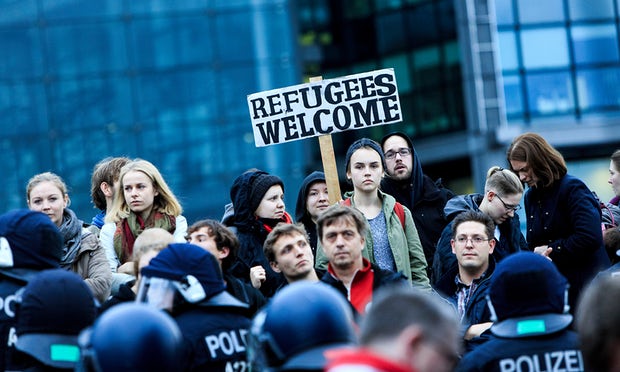
Refugees Welcome.jpg

Demonstrators in Berlin in November 2015

When Calais’ Jungle Camp was at a breaking point in 2016, and Prime Minister May was securely in control at Downing Street, more public pressure forced to her accept another 750 lone children.  (This was done reluctantly and controversially, as refugee children’s dental records were screened to “verify” their true ages. As Hugh Muir writes, “We want to do right by a handful of children, but it is really a way of shirking our duty to do the right thing”).

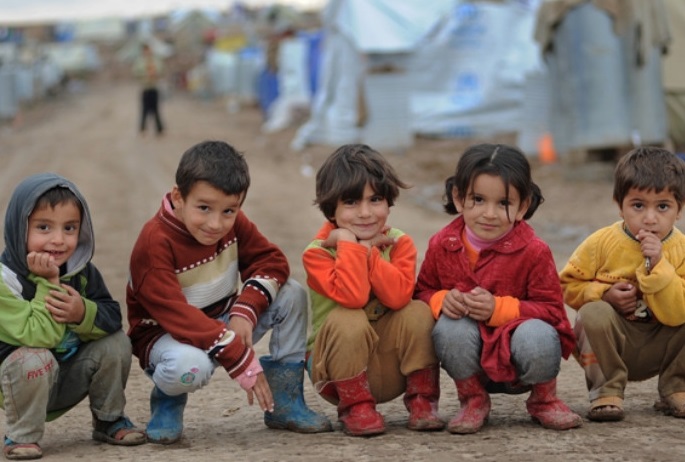
Calais children

Children in Calais’ “Jungle” Refugee Camp, October 2016

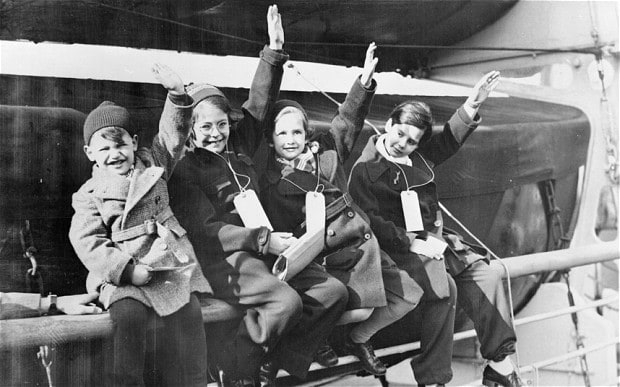
Welcoming 1,000 refugee children by modern day peace-time Britain stands in stark contrast to the 10,000 refugee children resettled via the Kindertransport to Britain in 1938 to 1940. As a historian, I shudder to think what would have happened to those thousands of children if they had stayed under Nazi Germany’s control throughout the war.

Kindertransport.jpg

German-Jewish refugee children arrive at Southampton in 1939

Additionally, Theresa May proposes to lower annual net immigration from 273,000 to just 100,000. But it doesn’t stop there. From April 2017 onwards, the Tories implemented a policy whereby British employers must pay £1,000 per year for each skilled migrant they hire. The Tories wish to increase it to £2000/year. That means that if your average Indian IT software engineer or Canadian postgraduate student successfully gets through Theresa May’s restricted immigration net, then they face further fiscal penalization in the pursuit of employment due to being foreign. Thanks, Britain.

As an immigrant in the UK who hails from a country where immigration is a cornerstone of my home culture, I just hang my head in shame. As a historian of refugees and modern warfare, I can say that the same self-serving, nationalist ideologies that caused so many borders to close and so many refugees to flee during the Second World War, are still true today.

So, what are some solutions?  

Political inclusion of minority voters. Enfranchisement of immigrants (including EU nationals). Open (though still selective) immigration policies. Bring back the Dubs Amendment. Invest in affordable housing. Delegate to charities (where possible). Celebrate all forms of Britishness, including minority groups. Delight in globalism and mobility.

But the best solution requires a major attitude shift. 

Britain was once a colonial and imperial superpower. Although this was by no means a peaceful power-dynamic on native populations or settler colonies, British rule also enabled enormous trade of goods, cultures and ideas. Some nations became immensely wealthy, while others were robbed of their natural and human resources. The gap in global living standards today are often a long-term result of colonialism’s exploitation.

British Empire.jpg

At its height, more than 458 million people and 23% of the world’s population were under British colonial rule

Professor of Sociology at the University of Warwick, Gurminder K Bhambra, claims that when thinking about today’s refugees and immigrants, we must remember that:

The economic motivation that drives poorer people to migrate has been produced and continues to be reproduced by practices emanating from richer countries and their own deficient understandings of their global dominance… The failure to properly understand and account for Europe’s colonial past, cements a political division between ‘legitimate’ citizens with recognized claims upon the state and migrants/refugees without the rights to make such claims.

It would be unfair to claim that Canadian history has been bloodless and peaceful, while Britain’s has been singularly exploitive and war-ridden. But personally moving from a land of immigrants to a land of colonisers has been an eye-opening experience.  

Canada, as a nation of immigrants, has attempted to confront its differences in an ongoing process of renegotiating and re-conceptualizing national identity, bringing immigrants to the fore with policies that directly value and embrace their diversity. Britain may have neglected to engage in such a process on their own soil, but the opportunity to do so is now arriving alongside the refugees and immigrants who greatly wish to be part of the British community. Myself included.

I am an immigrant and I love my new home in Britain.  By learning from my new culture while sharing my own, I am participating in a “very Canadian way” to integrate in society. I hope my British friends don’t mind.

Happy Birthday, Canada.


“Yemenite Children Affair” and Children’s Homes in the 20th Century

Yesterday I read an article on the BBC about hundreds of missing babies who were secretly adopted by childless couples in the 1950s, shortly after the founding of the Israeli state.  One parent, Leah Aharoni, was a Yemeni refugee who had given birth to premature twins in central Israel. Shortly thereafter, she was told her twins were moved into special clinic in Tel Aviv. She then learned that one twin had died. Although she never saw a body or grave, Leah and her husband accepted this horrific news. Years later, her 18 year old daughter was called up for national military service. However, two letters arrived – one for her living daughter and the other for the deceased twin. Apparently, this type of bureaucratic error was experienced by numerous families whose children had supposedly “died” while in state care years previously.

Now called the Yemenite Children Affair, the state archives have been opened to reveal a large government cover up. Since the 1950s, over 1,000 families have claimed their children were systematically kidnapped and put up for adoption, often abroad. Wealthy American couples, some of whom had survived the Holocaust, wished to preserve the Jewish line by adopting Jewish children. Some children, sadly, were also the objects of medical experiments, whereby they were injected with proteins, had their healthy hearts removed for US doctors to dissect, and were even tested for “negro blood.”

Three committees investigated the Yemenite Children Affair, but all reached the same conclusion: most children died in the 1960s in hospitals and were buried without notifying their families. Although this would still be a harsh reality for grieving families, the deception goes deeper.  The recent approval by the Israeli government to open state archives now allows mothers, such as Leah Aharoni, to learn the fate of their kidnapped children. It is expected that the following months will uncover many unwelcomed truths…

At the crux of the Yemenite Children Affair is the fact that Israel was a new state. Why does this matter? Yemeni refugees flooding into Israel in the 1950s were considered eastern Mizrahi Jews and not nearly as desirable to the foundation of the new Israeli state as Ashkenazi Jews, from European descent. But, so what?

In the wake of both the First and Second World Wars, nations grappled with how to create homogenous nation-states. The wartime devastation forced communities to come together to rebuild their homes, governments and cultures. In the 1920s, the creation of passports, human rights laws, and international humanitarian organisations allowed nations the ability engage in discussion about policies on both international and national levels. The unprecedented suffering of children was brought to the fore by NGOs, such as Save the Children Fund, and the Declaration of the Rights of the Child (1924) helped to internationalise the value of children, and called for their protection.

It was during this tumultuous interwar period that children’s value became heightened. Although some would argue that children’s social value was already well defined within Western nations (especially through labour laws as a result of the Victorian Age), the interwar period was, I believe, the crucial moment when “children” and “transnationalism” merged. Children were no longer limited to just one national boundary. Within international humanitarian circles, children’s rights were finally extending beyond national laws.  And, due to the unimaginable devastation of the First World War, children’s survival now depended on their ability to adapt to new geographies, new cultures, new identities.

Naturally, governments decimated by war began to capitalise on the fluid identities of these migrant, displaced and orphaned children. By adopting, kidnapping, brainwashing, relocating children, a nation could bolster its national image and its biological stockpile. Children, it became clear, were the biological future of the state. (For more on this topic, please see Tara Zahra’s book “The Lost Children: Reconstructing Europe’s Families After World War II”).

Children were absolutely central to this power-struggle among nations.  Governments found unusual, discriminatory, and often macabre ways to fulfil their national agendas to adequately rebuild their countries. And one such method was exploited: Children’s Homes.

Children’s Homes, or long-term (usually) state-run institutions for children, fulfilled different roles and purposes in the last century. I have compiled some of these Children’s Homes into groups. There are certainly exceptions, and categories overlap, and it is by no means entirely comprehensive but….

A) Children’s Homes that forcibly cultivated a new national identity while remaining within the original political boundaries.

This was often achieved by simply invalidating their original cultural “backward” identity. Although parents may have been aware their children were being taken away, they did not always give their consent. Some examples:

Canadian Residential School System. In the 19th century, the Canadian government wished to quickly assimilate the First Nations communities. By removing 150,000 aboriginal children from their communities and forcing them to attend 80 Christian schools throughout the country, it led to widespread physical and sexual abuse. The last school was closed in 1996.

CANADA hi-residential-schools-852.jpg

Photo from CBC News

Swiss Red Cross Children’s Homes. During the Second World War, the Swiss Red Cross founded multiple Children’s Homes in German-occupied France and Belgium. Children were considered temporary residents (maximum three-month stays for Belgian children, for example), and parents had to give consent.  Many children survived as a result of the protection they received in these homes (at La Hille in France, the Swiss nurses secretly saved Jewish children by walking them over the Pyrenees into Spain). However, the Swiss curricula taught Swiss songs, history and culture, subsequently undermining the authentic nationality of the child.

Yemenite Children’s Affair. After their kidnap into state care, some Yemeni children were eventually adopted by other Israelis and absorbed into “western” Ashkenazi Jewish family structures while remaining within Israel’s state borders.

Yemenite Childrens Affair Protest

Photo from +972 Mag Article of Israelis protesting the Yemenite children affair, Jerusalem, June 21, 2017

B) Children’s Homes that deceptively relocated children through bureaucratic channels to new nations.

This was accomplished often without parental knowledge and sought to improve the national collective identity (by either absorbing or expulsing children from the nation). Some examples:

Nazi Lebensborn Homes. These homes initially provided care for unmarried German women who had given birth to “racially pure” children by SS officers. After the outbreak of war, the drive for an Aryan state led to the kidnapping of thousands of Polish children (up to 100,000) deemed racially pure. Older children were led to believe they’d been abandoned by their biological parents. By 1946, it was estimated that 250,000 children had been forcibly removed from their parents.

Lebensborn CHild.jpg

Photo from Daily Mail Article of an “Aryan” boy who’s identity (Folker Heinecke – or Aleksander Litau) was stolen when he was placed into a Lebensborn home.

Yemenite Children Affair. See above. Some Yemeni children were adopted by childless couples abroad without parental consent or knowledge.

Yemenite Childrens Affair Protest 2.jpg

Photo from +972 Mag Article of Israelis protesting the Yemenite children affair, Jerusalem, June 21, 2017

British Child Migrants to Canada and Australia. From the mid-1800s until the 1970s, over 130,000 British children were sent to Canada, New Zealand, Zimbabwe (formerly Rhodesia) and Australia. These children were not necessarily orphaned, but generally from poor backgrounds and, it was believed, would lead happier lives due to their ability to adapt quickly. Some parents consented with full knowledge, others were unaware as to the fate of their child(ren) abroad. Children were often shipped to rural locations as farm labourers, or state-run orphanages, or religious institutions. This led to widespread physical and sexual abuse. The British government’s motivation was to ease the burden on UK orphanages while also increasing the populations in the colonies with “good, white British stock.” 

C) Children’s Homes for Medical Experimentation and Extermination.

These homes go hand-in-hand with the overall growth of eugenics in the early 20th century, but as the Yemenite Children Affair indicates, they were not just a product of the Nazi regime. Some examples:

Am Spiegelgrund Clinic in Steinhof, Vienna . This Nazi-run institution sought to experiment on its 7,500 patients, with one particular children’s ward called Am Spiegelgrund. Almost 800 children died as the result of medical experiments between 1940-1945. The survivors’ testimonies are harrowing.

Am Spiegelgrund Doctors.jpg

Doctors of Am Spiegelgrund. According to the Alliance for Human Research Protection (AHRP), Dr. Heinrich Gross is alleged to have selected children admitted to the hospital for deadly experiments. Like many physicians he saw the availability of children as a research opportunity available for exploitation. The experiments had no potential benefit for the child subjects. At lease half of the children who were killed at Spiegelgrund were from Dr. Gross’ infants’ ward.

Auschwitz “Kindergarten.” Approximately 232,000 children arrived at Auschwitz. Although many were shipped directly to the gas chambers, some were held in a family camp in 1943, whereby Dr. Joseph Mengele had easy access to children in the attached “Kindergarten.” No clear statistics exist to indicate how many children were victims of Mengele’s experiments. The family camp and “Kindergarten” were liquidated in May 1944.

Auschwitz Children

Children in Auschwitz after the liberation, 1945.

Yemenite Children Affair. As discussed earlier, Israeli doctors examined children’s blood in order to assess its negro qualities.

Velpke and Rühen Children’s Home. These homes were established in May 1944 to care for the infants of the Polish female forced laborers who worked on the farms near Wolfsburg and Helmstedt (100km east of Hannover, Germany). Conditions were atrocious and deaths of nearly 100 infants resulted from outright neglect and starvation. Importantly, these homes only existed as a way to placate the mothers and to increase their economic output.

Velpke CHildren's HOme.png

Only photo I could find of Velpke Children’s Home

Okay, but so what?

Remarkably, the Yemenite Children Affair could be placed in each and every category within my proposed list above. The goal of this discussion is to not just showcase the unusual qualities of such Children’s Homes, but to embed them within a broader history of the period. Some Children’s Homes existed to fulfil a racially-driven ideology, others to bolster a certain culture or language. Such Children’s Homes and migration projects were somehow fulfilling nationalist agendas, either by absorbing more children or by expulsing them from a country’s borders. And, especially after the devastation of the First and Second World Wars, governments wrestled with their own notions of nationhood, bringing children to the very fore of their post-war reconstruction.

Children’s Homes demonstrate that such governments and institutions believed fully that children’s identity was fluid and adaptable. Unlike adults, children’s nationality could be quickly (and even secretly) “switched” due to the innocence of youth and the lack of a familial structure. As long as a government got them at a young age, then their long-term economic, social and biological value in that community could be ensured. Now we can begin to understand why it’s so important that the children of Yemeni refugees were seen as undesirable “eastern” Mizrahi Jews, although it certainly does not justify their systematic murder.

As Tara Zahra states in The Lost Children (pp. 244), “The story of refugee children, in particular, demonstrates that the histories of humanitarianism and of ethnic cleansing in twentieth-century Europe are neither unrelated nor contradictory.”  Children’s Homes were one aspect of the child refugee narrative. Although these institutions were often cloaked in an altruistic declaration to “save the children,” they simultaneously served less than humane nationalist goals. We may begin to understand why institutions such as Children’s Homes were created, but their everlasting effects will continue to taint the history of nation-building in the 20th century.


First blog post (apparently)

Not quite sure yet whether I’m going to start a blog, be interested in continuing a blog, or whether this website is the best forum for all my random scholarly thoughts.  Until I figure this out, I will keep this picture posted from my trip to Berlin’s Reichstag last year, and see if that solidifies my feelings about a blog. If anyone has any suggestions or comments about blogging, I’d love to hear them!

IMG_9375